
Challenges
Relocating or opening a new site
A move is a deadline with a building attached. Connectivity, cabling, Wi-Fi, phones, door entry and CCTV, all ready on the first morning, and the old site working until the last evening.
The challenge
The lease is signed and the date is set. The new building has no cabling, the connectivity has not been ordered, and nobody is sure whether the phone numbers can move. Everything has to work on the first morning, and the old site has to keep working until the last evening.
If it is left
The connectivity is the item with the longest lead time and it is usually the last thing ordered, because it is invisible until it is missing. The result is a week or a month of staff working from phones in an empty building, a temporary line that becomes permanent, cabling run by the electrician after the furniture went in, and the old number ringing at the old site because nobody checked whether it could move. Every one of those is avoidable with the right order of works.
What good looks like
The connection live before the move, ordered as soon as the date was known, with 4G or 5G as the stopgap if the carrier is late; structured cabling and Wi-Fi fitted before the furniture, from a survey; the phones, door entry and CCTV on a properly separated network installed by one team; the numbers ported and ringing at the new site on the first morning; and the old site ceased only when the new one is proven.
What to do first
Before you call anyone
Fix the date, then count back
The move date sets everything. Connectivity to a new building is the longest item, so the order has to go in first; cabling must precede the furniture; the phones port last. Write the sequence on one page.
Find out what the building can get
Ask the landlord or agent what connectivity is already in the building and whether there is a comms room or a fibre entry point. A building with no duct needs civil works, and that takes longest of all.
List what has to work on day one
Phones, card terminals, the warehouse scanners, the alarm, the door entry, the printers. Anything not on the list will be the thing that is missing.
Check the lease for the old site
The date the old line and the old numbers can be ceased, and whether the landlord expects the cabling left in place. You keep paying for anything not cancelled.
Involve the fit-out contractor early
Containment, floor boxes, power to the comms cabinet and the cabinet room itself are theirs. They need the network design before they start.
To see which broadband an address can get, enter its postcode in the broadband checker. To see what still runs on the old phone network, take the PSTN switch-off check: ten questions, and a list of what has to move before the switch-off.
What we would do first
-
Survey the new site
Your current network and the requirements of the new building assessed, and a documented design and equipment list produced.
-
Order the connectivity
Business broadband, direct internet access or ethernet ordered as soon as the date is known, with 4G or 5G where a fixed line is not yet in place.
-
Install the building
Cabling, Wi-Fi, networking, door entry and CCTV installed by our own engineers, never subcontracted.
-
Move the numbers with you
Existing numbers carried over and routed to the right people, so customers notice nothing.
How we approach it
-
Survey and design
The new building walked with you: where people and devices will sit, the comms room, the cabling routes, the Wi-Fi coverage, the entrances for access control and CCTV. The output is a documented design and equipment list, with the containment and power requirements handed to your fit-out contractor.
-
Order the connectivity first
What the address can get, checked and ordered immediately: business broadband (SoGEA or full fibre FTTP) for a branch, a leased line for a site that cannot be offline, and a 4G or 5G router as the stopgap and the backup.
-
Cable and fit before the furniture
Structured cabling run, certified and labelled, UniFi switches and Wi-Fi fitted and configured from the survey, and the networks for staff, guests, phones, cameras and door controllers separated, all before the desks arrive.
-
Install the phones, access control and CCTV
Desk phones and the hosted voice or Teams apps set up and tested, readers and controllers fitted on the doors, cameras positioned from the survey, all on the network the same engineers built.
-
Move the numbers and cease the old site
Numbers ported on the move date and routed to the right people, the old line and the old numbers ceased only when the new site is proven, and the service desk taking over from the first morning.
The services that apply
-
Office moves and new sites
The whole move as one project with one owner: planned back from the date, the connectivity ordered first, the building fitted, the numbers ported and the IT cut over.
-
Network infrastructure design
The documented design and equipment list that the fit-out contractor, the carrier and our engineers all work from; without it the building is wired by guesswork.
-
Networking and cabling
The cabling, switches and Wi-Fi fitted before the furniture, from a coverage survey, by the engineers who then support them.
-
Connectivity
The longest lead-time item on the move, ordered first, with 4G or 5G as the stopgap if the carrier is late and the backup afterwards.
-
Telephone lines and numbers
The numbers customers know ported to the new site on the move date, and any analogue line at the old site retired rather than moved.
-
Building access control
Door entry and CCTV are network devices now; installing them with the cabling, on a separated network, is cheaper and safer than a separate trade after the event.
How you would buy it
Every hour we work falls under one of four engagement models. These are the ones that fit this situation; How we work compares all four.
-
02
Fixed price
A defined piece of work or project
A move suits a fixed price: surveyed, designed and priced before we start, with a project manager owning the dates and the third parties, and any overrun ours.
-
03
Retainer
The way most of our clients work with us
After the move, changes, additions and support calls at the new site are pre-authorised within your retained hours, and a site visit carries only the call-out charge.
Who you would work with
A project manager
Owns the move: the sequence, the carrier's dates, the fit-out contractor's dependencies and the porting order, so nothing is a surprise on the day.
The Head of Projects and Resourcing
Assigns the engineers to the dates, including the day of the move itself.
Our engineers
Odyssey employees, never subcontracted, who cable, fit, configure and test the building and then answer the phone afterwards.
An account manager
The person you ring about the lease dates, the old site and anything that changes.
A client who has been here
-
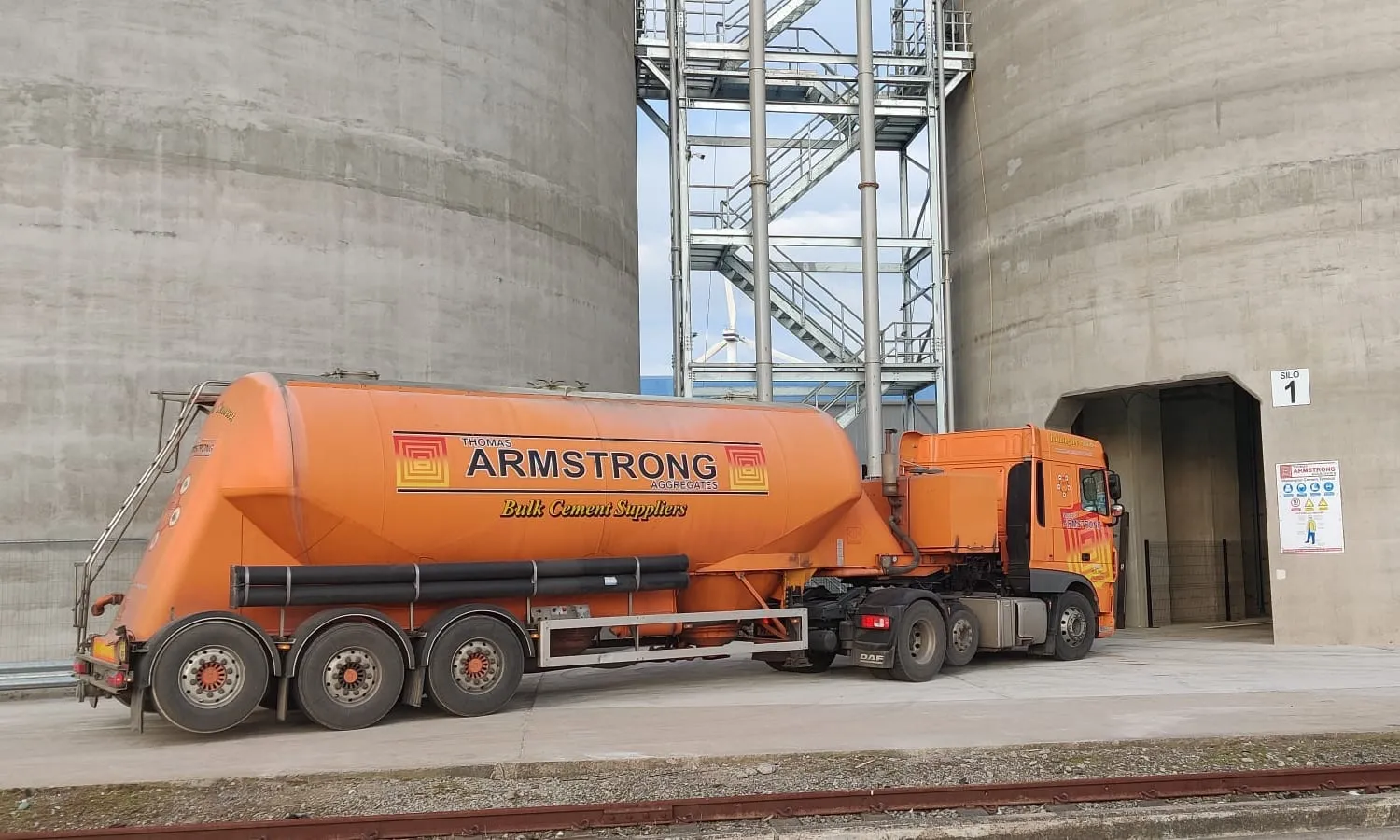
Client story, Construction
Thomas Armstrong
An enquiry about hosted telecoms became a full rebuild of IT, network and telephony across every site by December 2024.
Read the story →
Questions people ask
How far ahead should we talk to you?
As soon as the date is known. Connectivity to a new building is the longest item on the list: a new leased line typically takes 60 to 90 working days, business broadband 10 to 15 and a number port 7 to 14, and ordering early is what makes day one possible.
Can we keep our phone numbers when we move?
Yes. Numbers can be ported from most providers and are routed to the right people at the new site, so customers keep calling the numbers they know. A number tied to an analogue line at the old site is moved onto a digital service rather than left behind.
What if the new line is not ready in time?
A 4G or 5G router keeps the office connected where a fixed line is not yet in place, and it stays on afterwards as the backup that takes over if the line fails.
Who installs the cabling and Wi-Fi?
Our own engineers install the cabling, Wi-Fi, networking, door entry and CCTV. None of it is subcontracted, and the team that installs it is the team that supports it.
What happens at the site survey?
We walk the new building with you, assess your current network and the requirements of the new site, measure where people and devices will work, and produce a documented design and equipment list, including what your fit-out contractor needs to provide.
Can the old site keep working until the last day?
Yes. The new site is built and tested while the old one runs, the numbers are ported on the move date, and the old line and numbers are ceased only when the new site is proven.
Can you do the whole building, not just the IT?
Cabling, Wi-Fi, networking, desk phones, computers, door entry and CCTV are all ours. Power, containment and the comms room are specified in the design and built by your fit-out contractor; the alarm company confirms its equipment on the new lines.
What does a move cost?
It is surveyed and priced as a fixed sum before we start, so the cost is known before you give notice on the old site. The connectivity and the phones are then monthly charges at the new address.
Talk to a human about your move or new site
Call and we answer within three rings. Or tell us what you need and we will call you back at any time.